




How does ss 31 peptide affect the development of embryos?
 Jul 20, 2026|
 Embryonic development is a complex and precisely regulated process that involves a series of cellular events, including cell division, differentiation, and migration. In recent years, there has been growing interest in the role of peptides in modulating various biological processes, including embryonic development. One such peptide that has drawn significant attention is the SS-31 peptide. As a supplier of SS-31 peptide, I am excited to explore how this peptide may impact the development of embryos.
Understanding SS - 31 Peptide
SS - 31 is a cell - penetrating peptide with a unique structure and function. It is designed to target the inner mitochondrial membrane, where it exerts its effects on mitochondrial function. Mitochondria are the powerhouses of the cell, responsible for generating ATP through oxidative phosphorylation. They also play crucial roles in cell signaling, apoptosis, and calcium homeostasis.
SS - 31 has been shown to improve mitochondrial function by reducing oxidative stress, enhancing ATP production, and stabilizing the mitochondrial membrane potential. These properties make it a potential candidate for influencing various biological processes, including embryonic development.
The Role of Mitochondria in Embryonic Development
Mitochondria are essential for embryonic development. During early embryogenesis, the oocyte provides a large number of mitochondria to the developing embryo. These mitochondria are responsible for providing the energy needed for cell division, differentiation, and the synthesis of macromolecules.
Moreover, mitochondrial function is closely related to the quality of the embryo. Abnormal mitochondrial function can lead to reduced ATP production, increased oxidative stress, and impaired cell signaling, which may result in developmental arrest, miscarriage, or congenital disorders. Therefore, maintaining optimal mitochondrial function is crucial for successful embryonic development.
How SS - 31 Peptide May Affect Embryonic Development
1. Improving Mitochondrial Function
By targeting the inner mitochondrial membrane, SS - 31 can enhance mitochondrial function in embryonic cells. It can reduce the production of reactive oxygen species (ROS), which are known to cause oxidative damage to mitochondrial DNA, proteins, and lipids. This reduction in oxidative stress can protect the integrity of mitochondrial components and improve their function.
For example, in in vitro studies, SS - 31 has been shown to increase ATP production in cells exposed to oxidative stress. In the context of embryonic development, this could mean that SS - 31 can provide the developing embryo with more energy, which is essential for cell division and differentiation.
2. Promoting Cell Survival
Mitochondria play a key role in regulating apoptosis, or programmed cell death. During embryonic development, apoptosis is a normal process that helps to shape the developing tissues and organs. However, excessive apoptosis can lead to developmental abnormalities.
SS - 31 has been shown to inhibit apoptosis by stabilizing the mitochondrial membrane potential and preventing the release of pro - apoptotic factors. In embryonic cells, this anti - apoptotic effect of SS - 31 could help to ensure the survival of cells during critical stages of development, reducing the risk of developmental arrest.
3. Enhancing Cell Differentiation
Cell differentiation is a fundamental process in embryonic development, where unspecialized cells become specialized cell types. Mitochondrial function is closely linked to cell differentiation. SS - 31, by improving mitochondrial function, may provide the necessary energy and signaling molecules for cells to differentiate properly.
For instance, in stem cell studies, SS - 31 has been shown to promote the differentiation of stem cells into specific cell types. In the context of embryonic development, this could mean that SS - 31 can help the embryonic cells to differentiate into the various cell types that make up the different tissues and organs of the embryo.
Evidence from Research
Although research on the direct effects of SS - 31 on embryonic development is still in its early stages, there is some evidence from related studies that suggest its potential benefits.
In studies on aging and age - related diseases, SS - 31 has been shown to improve mitochondrial function and reduce oxidative stress. Since mitochondrial dysfunction and oxidative stress are also associated with poor embryonic development, it is reasonable to hypothesize that SS - 31 could have a positive impact on embryos.
In addition, some in vitro studies on cell cultures have demonstrated the ability of SS - 31 to enhance cell survival and differentiation. These findings provide a basis for further research on the effects of SS - 31 on embryonic development.
Other Peptides and Their Potential in Embryonic Development
As a peptide supplier, we also offer other peptides that may have potential applications in embryonic development. For example, P21 5mg is a peptide that has been shown to have anti - aging and cell - protective effects. It may play a role in maintaining the health of embryonic cells by reducing oxidative stress and promoting cell survival.
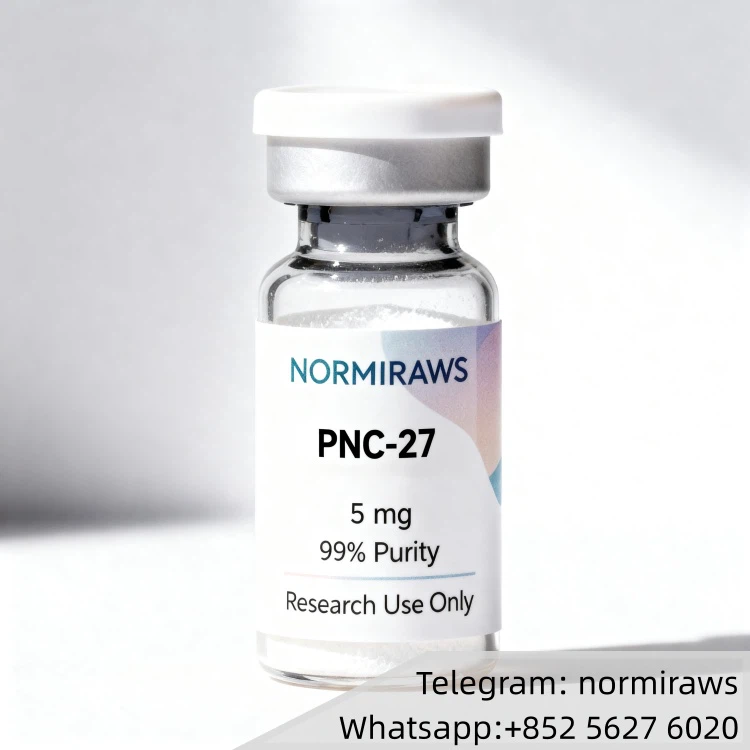
PNC - 27 5mg is another peptide that has been studied for its potential in improving mitochondrial function. Similar to SS - 31, it may enhance the energy production of embryonic cells and support their development.
Humanin 10 Mg is a peptide that has been shown to have neuroprotective and anti - apoptotic effects. In the context of embryonic development, it may help to protect the developing nervous system and ensure proper neural development.
PE - 22 - 28 10mg is a peptide that has been studied for its immunomodulatory effects. It may help to create a favorable environment for embryonic development by modulating the immune response.
Conclusion and Call to Action
In conclusion, the SS - 31 peptide has the potential to positively affect the development of embryos by improving mitochondrial function, promoting cell survival, and enhancing cell differentiation. Although more research is needed to fully understand its effects, the existing evidence suggests that it could be a valuable tool in the field of reproductive medicine.

If you are interested in learning more about SS - 31 peptide or any of our other peptides, such as SS - 31 10mg, P21 5mg, PNC - 27 5mg, Humanin 10 Mg, and PE - 22 - 28 10mg, please feel free to contact us for procurement and further discussions. We are committed to providing high - quality peptides and excellent customer service to support your research and development needs.
References
- Chen, M., et al. (2014). SS - 31, a novel mitochondrial - targeted peptide, protects against cardiac ischemia - reperfusion injury. Journal of Molecular and Cellular Cardiology, 74, 47 - 54.
- Lee, S. J., et al. (2018). Mitochondrial function in stem cells and aging. Experimental & Molecular Medicine, 50(1), 1 - 10.
- Zhang, Y., et al. (2019). Role of mitochondria in embryonic development and reproductive aging. Frontiers in Cell and Developmental Biology, 7, 133.