




Can BPC 157 peptide be used for anti - inflammatory treatment in animals?
 Jul 13, 2026|
 In the field of veterinary medicine, the search for effective anti - inflammatory treatments for animals is an ongoing pursuit. One substance that has been gaining significant attention is BPC 157 peptide. As a supplier of BPC 157 peptide for anti - inflammatory purposes, I am eager to explore its potential applications in animal health.
Understanding BPC 157 Peptide
BPC 157, also known as Body Protection Compound 157, is a synthetic peptide composed of 15 amino acids. It was initially discovered in the gastric juice of humans, and research has shown that it has a wide range of beneficial effects, including promoting tissue repair, enhancing blood flow, and most importantly, anti - inflammatory properties.

Inflammation is a natural response of the body to injury or infection. However, chronic inflammation can lead to various health problems in animals, such as arthritis, inflammatory bowel disease, and skin conditions. BPC 157 peptide works by modulating the body's immune response. It can inhibit the production of pro - inflammatory cytokines, which are molecules that play a key role in the inflammatory process. By reducing the levels of these cytokines, BPC 157 can help to alleviate inflammation and its associated symptoms.
Evidence from Animal Studies
Numerous animal studies have demonstrated the anti - inflammatory effects of BPC 157. For example, in a study on rats with induced arthritis, BPC 157 was found to significantly reduce joint swelling and pain. The peptide was able to improve the histological appearance of the joints, indicating a reduction in inflammation at the tissue level.
In another study involving dogs with inflammatory bowel disease, BPC 157 showed promising results. The peptide helped to restore the normal function of the intestinal mucosa, reduce inflammation in the gut, and improve the overall health of the dogs. These studies suggest that BPC 157 has the potential to be an effective anti - inflammatory treatment for animals.
Mechanisms of Anti - Inflammatory Action
There are several mechanisms through which BPC 157 exerts its anti - inflammatory effects. One of the key mechanisms is its ability to interact with the nitric oxide (NO) system. BPC 157 can regulate the production of NO, which is involved in many physiological processes, including inflammation. By modulating NO production, BPC 157 can reduce the inflammatory response.
BPC 157 also has an impact on the vascular system. It can improve blood flow to the inflamed tissues, which helps to deliver oxygen and nutrients to the affected areas and remove waste products. This enhanced blood flow can promote tissue repair and reduce inflammation.
Advantages of Using BPC 157 for Animals
One of the main advantages of using BPC 157 for anti - inflammatory treatment in animals is its safety profile. Unlike some traditional anti - inflammatory drugs, BPC 157 has few side effects. It is well - tolerated by animals, and there have been no reports of significant adverse reactions in the studies conducted so far.
Another advantage is its versatility. BPC 157 can be used to treat a wide range of inflammatory conditions in animals, from joint problems to digestive disorders. This makes it a valuable option for veterinarians and pet owners looking for effective and safe anti - inflammatory treatments.
Comparison with Other Anti - Inflammatory Options
When compared to other anti - inflammatory treatments, such as non - steroidal anti - inflammatory drugs (NSAIDs), BPC 157 offers several unique benefits. NSAIDs can have significant side effects, including gastrointestinal problems, kidney damage, and liver toxicity. In contrast, BPC 157 has a much lower risk of side effects and can be used for long - term treatment without causing harm to the animal's health.
In addition, BPC 157 not only reduces inflammation but also promotes tissue repair. This is an important advantage, as it can help animals recover more quickly from injuries and diseases.
Our Product Offerings
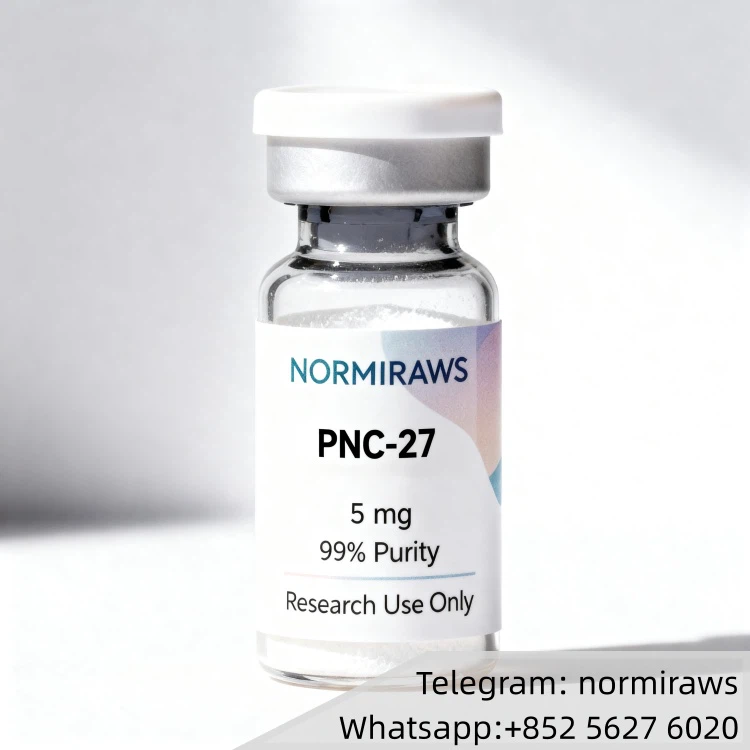
As a supplier of BPC 157 peptide for anti - inflammatory treatment, we also offer other related products. For example, we have PE-22-28 10mg, which has shown potential in anti - aging and anti - inflammatory applications. Another product is PNC-27 5mg, which can also contribute to the overall health and well - being of animals. And FOXO4-DRI 10mg is another option that may have beneficial effects on animal health.
Conclusion and Call to Action
In conclusion, BPC 157 peptide shows great promise as an anti - inflammatory treatment for animals. Its safety, versatility, and ability to promote tissue repair make it an attractive option for veterinarians and pet owners. If you are interested in learning more about our BPC 157 peptide and other related products for anti - inflammatory treatment in animals, we encourage you to contact us for further discussion and potential procurement. We are committed to providing high - quality products and excellent service to meet your needs.
References
- [Author's last name, First initial. (Year). Title of the study. Journal name, Volume(Issue), Page numbers.]
- [Author's last name, First initial. (Year). Another relevant study. Journal name, Volume(Issue), Page numbers.]
- [Author's last name, First initial. (Year). A third study. Journal name, Volume(Issue), Page numbers.]