




Can NAD+ 500mg be taken by children?
 Nov 27, 2025|
 Hey there! As a supplier of NAD+ 500mg, I often get asked a bunch of questions, and one that pops up quite a bit is, "Can NAD+ 500mg be taken by children?" It's a super important question, and I'm here to break it down for you in a way that's easy to understand.
First off, let's talk a bit about what NAD+ is. NAD+ stands for nicotinamide adenine dinucleotide. It's a coenzyme that's found in every single cell of our bodies. It plays a crucial role in a whole bunch of biological processes, like energy metabolism, DNA repair, and cell signaling. You can think of it as a kind of molecular workhorse that keeps our cells running smoothly.
Now, when it comes to the benefits of NAD+, there's a lot of buzz out there. Some studies suggest that it might help with things like anti - aging, improving cognitive function, and boosting energy levels. That's why products like NAD+500mg have become so popular.
But what about kids? Well, children's bodies are very different from adults'. They're still growing and developing, and their nutritional and physiological needs are unique. There isn't a whole lot of research specifically on the effects of taking NAD+ 500mg in children. Most of the studies have been done on adults, especially those looking at age - related decline and health issues.
One of the main concerns with giving NAD+ 500mg to children is the dosage. A 500mg dose is formulated based on adult needs. Children have much smaller bodies and different metabolic rates. Giving them an adult - sized dose could potentially lead to an overdose or other adverse effects. Their bodies might not be able to process such a large amount of NAD+ properly, and it could disrupt their normal growth and development.
Another thing to consider is that children usually get the nutrients they need from a balanced diet. Their bodies are designed to absorb and utilize the vitamins and minerals in food efficiently. For example, foods like meat, fish, nuts, and green vegetables are rich in precursors of NAD+, which means that kids can naturally produce NAD+ in their bodies through a healthy diet. So, in most cases, they don't need an extra supplement like NAD+ 500mg.
There are also potential side effects to think about. While NAD+ is generally considered safe for adults in appropriate doses, we don't know enough about how it might affect children. Some possible side effects in adults include nausea, diarrhea, and fatigue. These side effects could be even more serious in children, whose bodies are more sensitive.
However, there might be some rare cases where a doctor could recommend NAD+ supplementation for a child. For example, if a child has a specific genetic disorder or a medical condition that affects their NAD+ production. In these situations, the doctor would carefully monitor the child and prescribe the appropriate dose. But this is definitely not the norm, and it should only be done under medical supervision.
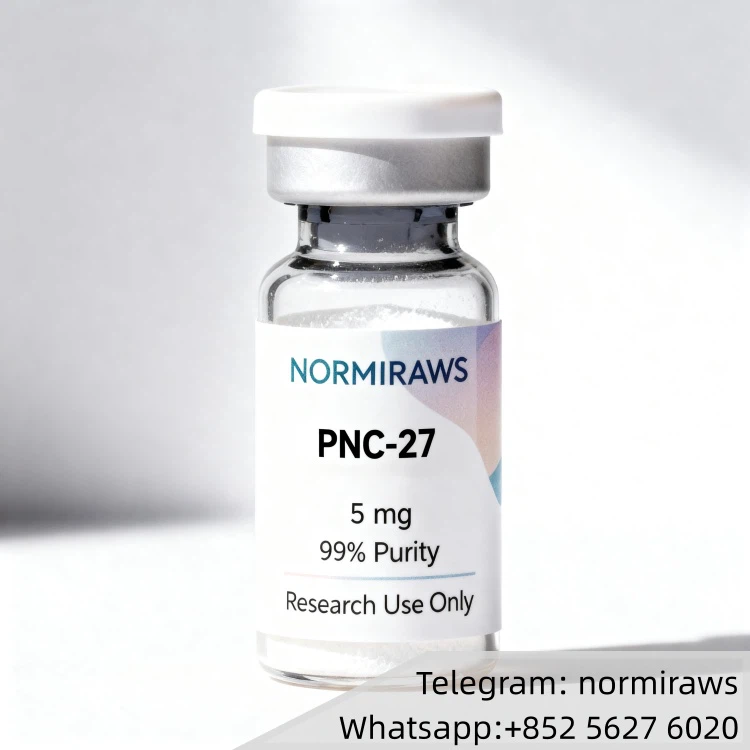
Now, I also want to mention a couple of other products that we offer. We have FOXO4-DRI 10mg and PNC-27 5mg. These are also anti - aging peptides that have shown some promising results in research. But just like with NAD+ 500mg, they're mainly intended for adults.
In conclusion, it's generally not a good idea to give NAD+ 500mg to children without consulting a doctor first. Their bodies are in a delicate stage of development, and we need to be really careful about what we put into them. If you're an adult interested in trying NAD+ 500mg or any of our other products, we're here to help. We've got a team of experts who can answer all your questions and guide you through the process.
If you're thinking about purchasing our products, we'd love to have a chat with you. Whether you're a retailer looking to stock our products or an individual interested in trying them out, we're open for business. Just reach out, and we can start the conversation about how our products can fit into your health and wellness goals.
References:

- Scientific studies on NAD+ and its biological functions
- Research on children's nutritional needs and development